
Modern Cluster Grid Slots

Cluster grid slots pay through connected symbol groups, not fixed paylines. A valid hit forms when matching symbols touch on the grid. Most games count horizontal and vertical connections as standard. Some titles also add special movement that changes how groups form. Grids are often square, like 6×6 or 7×7, but bigger formats exist. Symbols can land in any position, so each spin can look different. After a win, the matched group disappears from the board. New symbols then drop down to fill the gaps. This drop can repeat several times within one paid spin. Many games add multipliers during these repeated drops. Some releases also unlock extra rows or columns after a trigger. Just like a guide to winning online poker stresses learning how hands and positions interact, cluster slots reward players who understand how symbols, cascades, and modifiers influence the grid. Open Bitfortune and play a cluster grid slot to see how the board behaves.
How Cluster Wins Work
Cluster slots calculate results by counting how many matching symbols connect. Each game sets a minimum cluster size for a paid group. Smaller groups usually return less than larger groups. Once a group pays, it is removed from the grid. Gravity then pulls remaining symbols into empty spaces. Fresh symbols fall from above to complete the grid again. If a new group forms, the game repeats the process. Longer drop chains change the pace of a spin. Many titles increase a multiplier after each successful drop. Some games keep that multiplier active until the chain stops. Others reset the value at the start of the next paid spin. A few games also shift symbols sideways or diagonally between drops. Always check the info panel for the exact cluster count and multiplier rules. Go to Bitfortune and play a few spins to learn the flow fast.
Popular Grid Titles
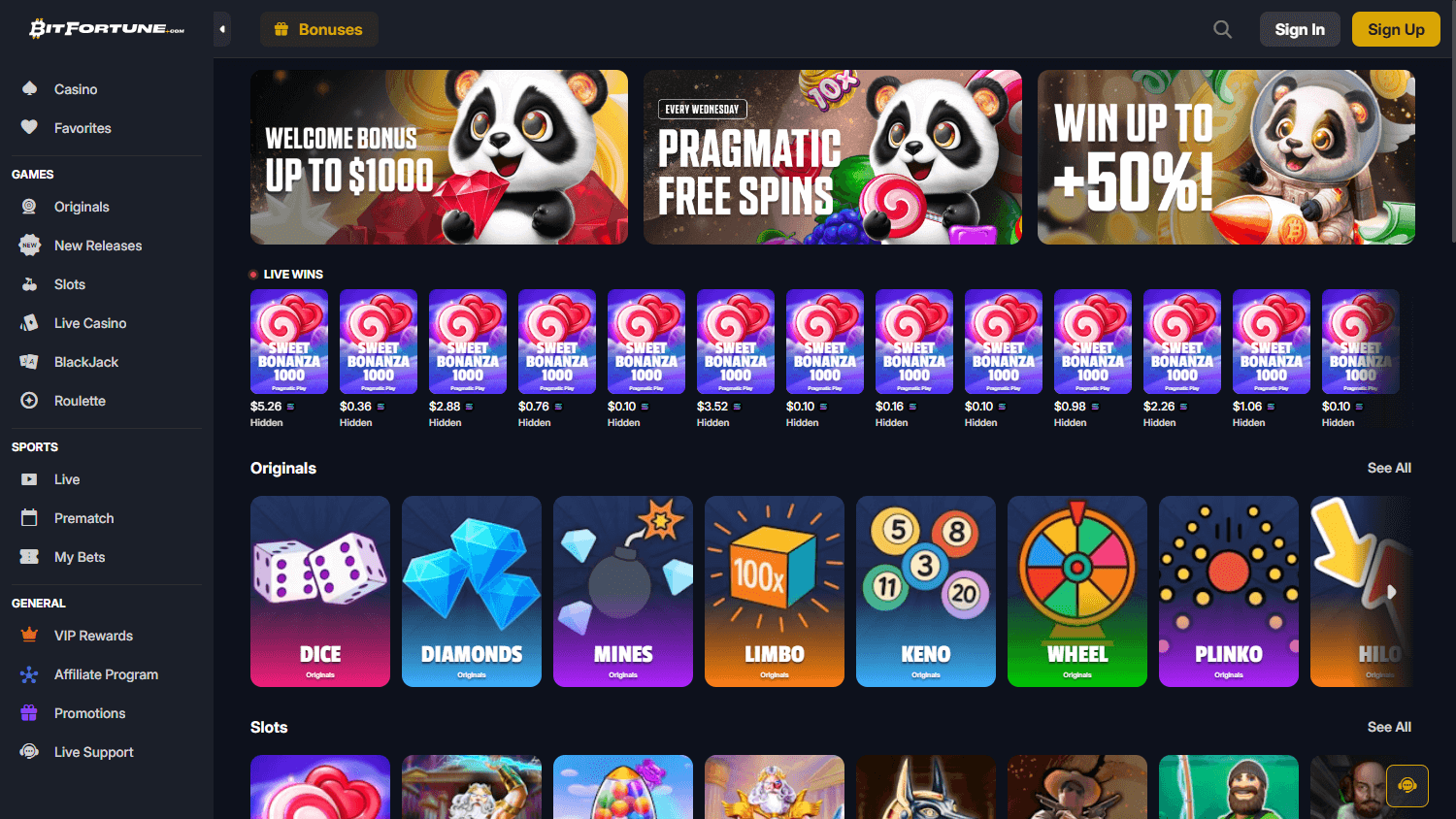
Several cluster titles stand out because their rules are easy to follow. Many players prefer games with clear meters, counters, or visible boosters. Some titles use moving multipliers that change position after a win. Others place sticky features that stay active during a drop chain. Certain games remove low symbols more often to speed up board changes. Grid expansion is common in newer releases and some older classics. Volatility varies a lot, even among games with similar grids. Bonus rounds usually keep the same group-based logic as the base game. Market builds can change RTP and sometimes feature pacing. That is why it helps to compare games before you commit time. The table below summarizes typical differences across well-known titles.
|
Game |
Main Mechanic |
Grid Style |
Drop Chains |
Volatility Note |
Market Variants |
|
Reactoonz |
Charge meters |
Cluster grid |
Often long |
Usually high |
RTP can vary by region |
|
Jammin’ Jars |
Moving multipliers |
Cluster grid |
Often long |
Often high |
RTP builds can differ |
|
Sugar Rush |
Grid upgrades |
Cluster grid |
Medium to long |
Often high |
Multiple RTP editions |
|
Fruit Party |
Random boosts |
Cluster grid |
Medium |
Often medium |
RTP can change by market |
Switch games on Bitfortune and play the grid type that matches your preferred pace.
US Player Notes
US players should check licensing before picking any casino site. A licensed site should show game provider details and terms clearly. RTP and volatility can be listed in the game help screen or lobby. Some states allow only specific operators and approved catalogs. Cluster slots can run longer because drops may continue after a win. That makes stable mobile performance more important for large grids. Payment processing also matters because players often track session timing closely. Look for clear limits, clear withdrawal rules, and visible support options. Providers may publish different builds for different US markets. If the game shows a version number, note it for later comparison. Demo mode is useful for learning pace, but real-money rules still matter. When in doubt, pick the certified build offered by a regulated operator. Start on Bitfortune Casino and play US-ready cluster slots with the correct build for your market.
New Grid Trends
Newer cluster releases push for longer drop chains and more board action. Multipliers often grow step by step during each successful drop. Some games add special tiles that trigger respins more often. Collection meters may unlock extra rows or columns over time. Several studios now ship multiple RTP editions by default. Visual clarity has improved to keep fast symbol movement readable. Some titles add modifiers that change symbol values mid-round. Others change the board shape during a feature to shift group frequency. A few studios try to reduce long dead stretches by adding small boosters. Still, volatility can remain high in many modern designs. Because of these changes, reading the rules matters more than ever. Keeping track of updates helps you avoid mixing two different builds. Check Bitfortune and play the newest grid releases as soon as they arrive.
Italy Compliance Notes

Italian players should confirm ADM approval before real-money play. Licensed casinos in Italy must offer certified game versions. Those certified builds may use different RTP values than international editions. Some titles arrive later in Italy due to compliance review timelines. Payment methods can depend on the operator and local rules. Mobile layout stays important because large grids need clear spacing. Local-language support can help during account checks and document steps. Demo mode usually matches the certified build, but confirm it in the rules. Bonus terms can differ by operator and must be read carefully. If a title offers feature buys elsewhere, it may be restricted in Italy. Version details help confirm you are on the approved build. Always treat regional settings as part of the game selection process. Visit Bitfortune and play Italy-ready cluster slots with certified settings.
Cluster Slot Checklist

A quick review saves time before you start real-money play. Volatility tells you how outcomes may be distributed over time. Cluster frequency shows how often the grid produces paying groups. Multiplier behavior can change the value of long drop chains. Removal logic affects how often new groups form after a win. RTP editions matter because the same title can ship with different values. Version numbers help you match the build to your market rules. Feature-buy options can change pacing and risk quickly. Demo testing helps you understand timing and board movement. Comparing two titles side by side prevents pacing surprises. Use this checklist before you commit to a long session.
Key points to check:
- Volatility level
- Cluster frequency
- Multiplier growth
- Removal logic
- RTP edition
- Version/build number
- Feature-buy availability
Head over to Bitfortune and play only when the grid rules match what you want.
- Университеты Северной Каролины получили более 17 миллионов долларов в виде налоговых поступлений от
- Betwinner Nigeria: a localized digital platform
- 1xBet APK Download: Complete Mobile Access Guide
- Betwinner Liberia – A Rising Star in West Africa’s Online Betting Scene
- How to Withdraw Money from Betwinner: A Step-by-Step Guide